
Learning to be "Bad"
Compliance is not the answer anymore.

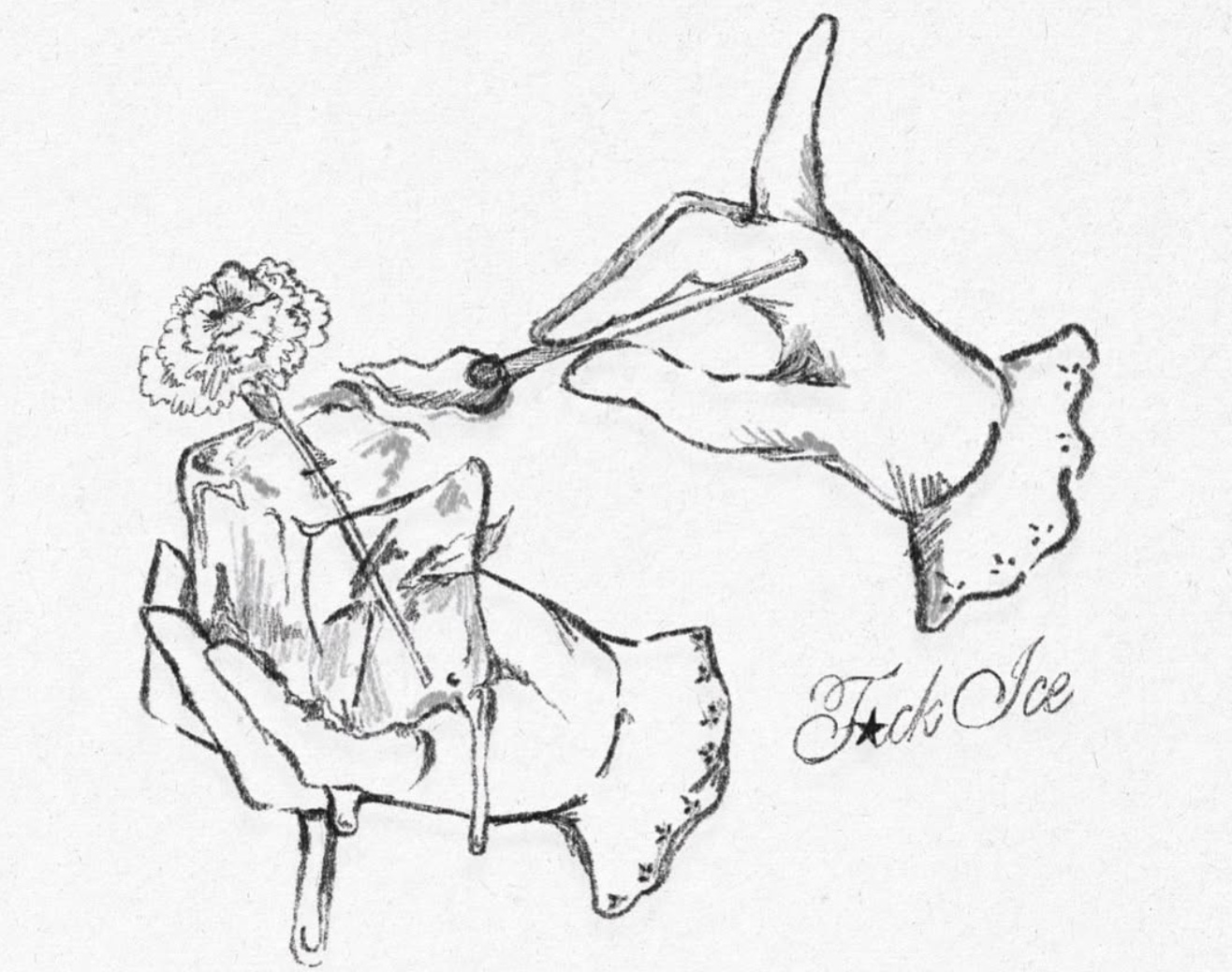
A previous version of myself experienced life from inside of a shell. Now I know it was not a shell really, but a cage.
The cage was perfectionism tied to aspirations of being valued by institutions that are now failing, and maybe always were. I wanted to be good at everything, but particularly being good at things that don’t matter (like a computer job or getting into an Ivy League school) because I thought excellence was a precursor to safety. Back then, I wouldn’t have thought about these desires as direct reflections of capitalist moralism. Now my value system is different.
I was raised with the belief that one of the most important things about a person was whether or not they had a job, specifically a respectable job. (I won’t get into examples. It’s boring, anyway—I don’t feel like talking about the model minority myth or Indian stereotypes.) This belief was passed down from my grandparents and then to my mother, who by the way struggled a lot as a single mother and raised me with a lens of defense (be financially independent, don’t slack off, be punctual, laying around is bad, love is a waste of time, etc.). But what was passed down to me was a belief system created from a place of survival.
Those beliefs followed me into adulthood, where work became the primary place where I proved I deserved to exist. Being really good at a job (even one that asks me to respond to emails on federal holidays and vacation, one that wrings out every bit of my brilliance and distills it into bullshit work) used to be the only way I knew.
Naley (known as naleybynature on Instagram) posted this video about what true privilege is: not being in survival mode. It reminded me a bit about my piece on freedom—how true freedom isn’t linked to consumer choices, but the ability to experience Life itself. Real Life, not work deadlines and watching things on your phone. Real Life, as in breath and presence and being in your body. As in making conscious choices and decisions with a calm nervous system, not from a place of fear. Not from a place of dependency on institutions that are, ultimately, the instruments of our and the earth’s destruction. Naley says:
“We create a dependency on the system when we’re in survival mode. And that’s the easiest way to control [us]…
We can’t begin to even organize to change the world if the population is in survival mode because what are we even asking from them? The goal is to support people regain agency over their minds and get out of survival mode so they can finally hear themselves. We need people to find their calling so they can contribute it to the new world that’s being built.”
I’m an artist who is, like everyone else, is forced to lend their body + mind to a job which demands my attention. Also like everyone else, I hate having a job.
Going above and beyond at a job is essentially exacerbating a dependency on the thing that’s destroying you. Being angry about that is the least we can do for ourselves. Feeling the anger, then, is just as important. The normal response is to take that emotion and buy things—why work if we can’t buy things!—rather than create experiences that calm our nervous system. Most people don’t even have the choice.
I don’t work full-time anymore and I don’t have a salary for this reason. Something has been stolen from us, and in its place is a life on loan to someone else. And having benefits and a salary is essentially being indebted to your employer via your labor (I’m currently reading Debt by David Graeber which is radicalizing me quite a bit.) and when I feel like I owe something, it’s not a good feeling, especially when the employer and job is BS. Feeling like you “owe” something to your employer is a shared and unjust experience. We know the system is fucked. Healthcare is a human right and being paid to do your job isn’t that complicated of a transaction, nor should it be a part of your identity and how people deem your level of respectability. I don’t want that kind of capitalist moralism hanging over my head.
But a lot of people offering contract and freelance opportunities (particularly computer jobs in marketing, advertising, and the likes) are actually quite predatory when it comes to people like me. They want people who are talented and brilliant, but also really good at respecting authority and tend to be overachievers. (These people are presumably Asian, most likely, if you’re a white hiring manager.) They know artists need money and they know our creative output offers something unique to the world. They ask us to give our brain power and energy and bad backs to them—and without health insurance or actually good pay!
To be a perfectionist with a job like this is to be crushed underneath the weight of someone else’s aspirations. Forcing myself to maintain robotic standards for a job is terrible for my nervous system. I know that now, even though in the past I thought embodying this standard was simply what made someone “good.”
But I have support systems in place that make it easier, I think, then most people, to be able to pull myself out of survival mode. It is my responsibility.
Which is why I’m learning to be bad at my job.
I don’t want to be compliant. Compliance causes harm. Our country is literally on the brink of a civil war, and to be compliant at a computer job—especially when I have very little to lose—feels like a cowardly move.
This Friday, January 30, I’m joining the Nationwide Shutdown. I will not shop. I will certainly half-ass my job (arguably better than calling out sick; being incompetent is funnily more disruptive). I will remember that the institutions I once believed in are all an eyewash, and that none of us have ever been safe. I will talk to my neighbors and call my grandparents and hug my boyfriend and meditate and call my representatives and be out on the streets protesting against ICE. I’ll be calm. I invite you to do the same.
To reset one’s nervous system is to be conscious. To be conscious these days is to be in a state of privilege. And consciousness is also a tool. Some of us do have the ability to use this ourselves. We have to try. We have to be bad.